
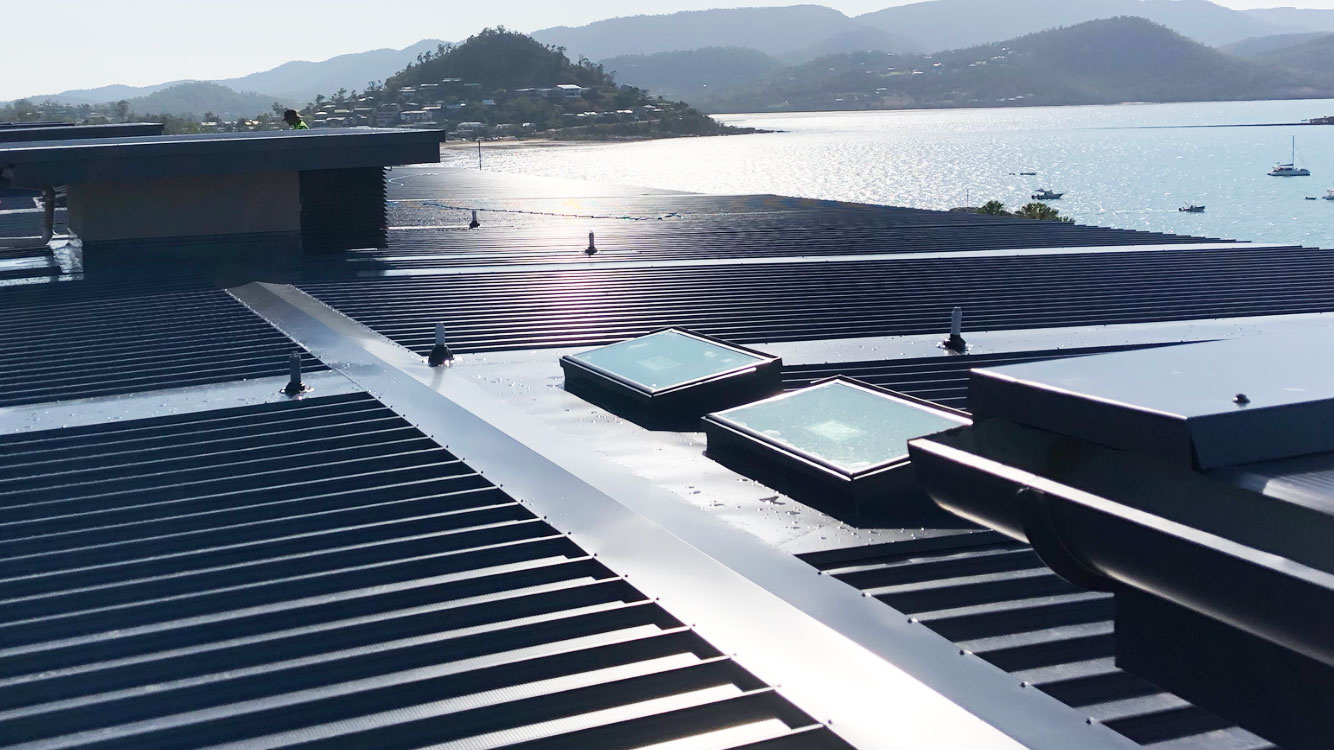
A leaking or damaged roof can be stressful, particularly after heavy rain or a storm. One of the first questions homeowners ask is whether the roof needs a repair or a full replacement. The right answer depends on the type and extent of damage, the age and condition of the roofing material, and whether problems are isolated or recurring. If you are comparing roof repair and replacement in Brisbane, an inspection can help you understand the options for your property.
What Signs Suggest a Roof Needs Repair?
Missing or damaged sheets or tiles, loose flashings, blocked drainage and leaks around roof penetrations may indicate a problem that needs attention. Water stains on ceilings can be a clue, but the visible mark may not be directly below the entry point. Never climb onto a roof to investigate unless you are trained and equipped to do so. If you suspect damage, arrange a qualified roofer to assess the roof and identify the source safely.
When Might a Localised Repair Be Enough?
A repair may be suitable when the damage is limited, the surrounding roof remains in sound condition and the cause can be addressed effectively. Examples may include a localised flashing issue or a small area of damaged roofing material. However, the visible leak is not always the only problem. A roofer should check the surrounding area and explain whether the proposed repair is likely to address the underlying cause.
What Signs May Point to Roof Replacement?
Widespread deterioration, repeated leaks in different areas, extensive corrosion, significant storm damage or a roof nearing the end of its serviceable life may justify considering replacement. These signs do not automatically mean a new roof is required; the decision depends on the material, structure and repair options. Ask the roofer to explain the condition of the roof and compare the likely scope, costs and expected benefits of repair versus replacement.
How Do Roof Age and Material Affect the Decision?

Different roofing materials age in different ways, and local exposure to sun, rain, wind and coastal conditions can influence wear. Metal roofs may develop corrosion or problems at fixings and flashings, while tiled roofs can have broken tiles or deterioration in related components. The condition of gutters, drainage, underlay and roof structure can also matter. Consider the roof as a complete system rather than focusing only on the material visible from the ground.
What Should You Ask a Roofing Contractor?
Ask what caused the problem, what areas were inspected, which repairs are recommended and what is excluded from the quote. If replacement is proposed, ask about materials, removal of existing roofing, flashing, drainage details, site protection, waste removal and expected timing. Request written documentation and clarify warranties and maintenance requirements. Comparing quotes is easier when each contractor is pricing a similar scope.
Frequently Asked Questions
Can a roof leak be repaired from inside?
A temporary measure may limit damage in some situations, but the roof’s exterior and the cause still need assessment.
Should I replace a roof after every storm?
No; the extent of damage and roof condition determine the response.
Is a new roof always cheaper long term?
Not necessarily; compare the specific repair needs, condition and expected service life.
Use a qualified roofer to assess your property.
Next Step
If your roof is leaking, damaged or showing signs of wear, contact High End Roofing QLD to arrange an assessment and discuss repair or replacement options.
Contact Us


